

Your Team Is Using AI. But Not the Same AI.
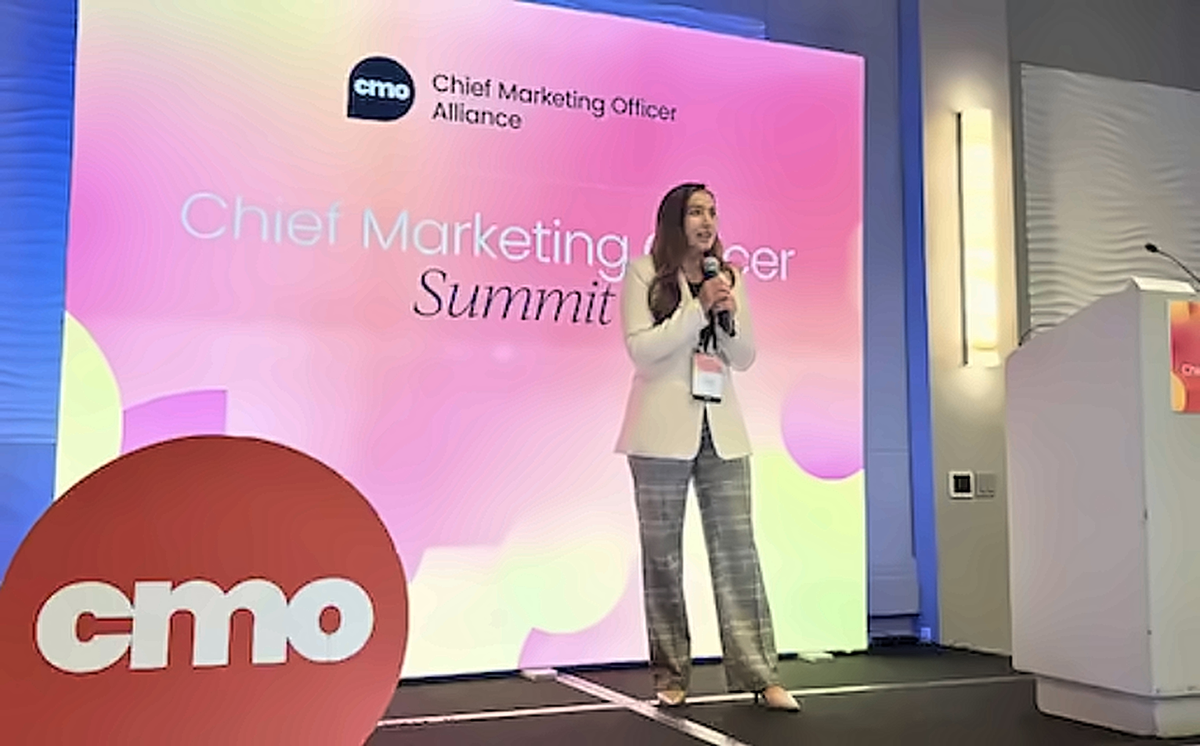
Thoughts from the CMO Alliance Summit | September 8, 2026 | San Francisco
Published: November 2, 2026.
By Aaron Carpenter, Founder, ACV Consulting
AI governance best practices are becoming essential for marketing leaders as teams adopt disconnected AI tools, create independent workflows, and produce customer-facing content without shared oversight. At the CMO Alliance Summit in San Francisco, one challenge became particularly clear: AI adoption is moving faster than the organizational processes needed to manage it.
At the CMO Alliance Summit in San Francisco, one recurring theme was a problem most marketing leaders have recognized but not yet fully named: the AI silo.
In most organizations, individual team members have gone out and found their own tools, built their own workflows, and are solving their own problems. The brand manager is using one platform. The content team is using another. The agency is using a third. And nobody is talking to each other about any of it.
From the outside, this looks like agility. The team is moving fast. They are adopting new technology. They are learning. But the underlying risk is significant, and at the summit, several CMOs were dealing with the consequences in real time.
These concerns also reflect the broader AI adoption challenges facing CMOs, particularly the need for shared processes and clear leadership.
When Everyone Is a Marketer, Nobody Is
The frustration I heard most often was not about a single tool failing. It was about an environment where AI has made it possible for anyone in an organization to produce marketing assets, content, or brand communications without any training, oversight, or process.
One CMO at the conference shared a story that stopped the room. She runs marketing for a medical device company. Highly regulated, precision-critical, the kind of organization where every word in external communications carries legal and safety implications.
The general manager of one of their subsidiaries in Saudi Arabia used AI to build an entire brand site for the regional market. He was genuinely trying to help. He had no ill intent. He vibe-coded it, published it, and sent her the link.
She had learned to stop resisting these situations and instead let them play out. She told him to go ahead and launch it.
The legal team found substantial regulatory risk in the content. The site did not comply with medical device safety standards for that market. They had to pull it down, start over, and then have the harder conversation about why this approach would not work.
That is an extreme version of a problem that is showing up at every scale. When AI speeds up and lowers the cost of content production, it lowers the perceived barrier to entry for everyone. And when organizations have not built shared processes for how AI gets used and by whom, they are exposed.
AI Governance Best Practices Start with Shared Processes
The instinct when you hear a story like that is to lock things down. Restrict access. Add approval layers. Build walls.
That is the wrong response. The technology is not going back. The question is how you build shared infrastructure around it.
The brands doing this well have made deliberate decisions about a few things: which tools are approved for which use cases, what quality and compliance reviews look like before anything goes external, and who has the authority to make exceptions. They have built short training cycles so that the people using the tools understand not just how to use them, but when not to. These AI governance best practices establish clear expectations for how teams use AI while preserving the flexibility to experiment and innovate.
The medical device CMO did not ultimately solve her problem by restricting AI. She solved it by building a process that gave her team a legitimate path to use AI correctly, with appropriate guardrails, so they did not feel the need to go around her.
What Marketing Leaders Should Be Building Right Now
The AI silo problem does not fix itself. The longer organizations let individual teams operate independently, the harder it becomes to establish shared standards later. Implementing AI governance best practices early can help marketing leaders establish those standards before disconnected workflows become deeply embedded across the organization.
The leaders I spoke with who were making real progress had done two things. First, they had mapped out where AI was actually being used across their organizations, not just in marketing but in every function that touches customer-facing content or communications. Second, they had built governance frameworks that were simple enough to actually follow, with clear accountability at the top. The most effective governance frameworks are not necessarily the most restrictive. They are the ones teams can understand, follow, and apply consistently.
This is not glamorous work. It is the kind of old-fashioned organizational development work that requires human sweat equity and reminds us that there is no technological quick fix that replaces thoughtfully built, human-centric systems for working together successfully.
ACV Consulting | Leadership. Innovation. Purpose.

Share:
We Contributed to Brandfuel.ai's “Build for What's Next” Whitepaper — Here's Why
CMOs Are Frustrated with AI. That's Actually a Good Sign